
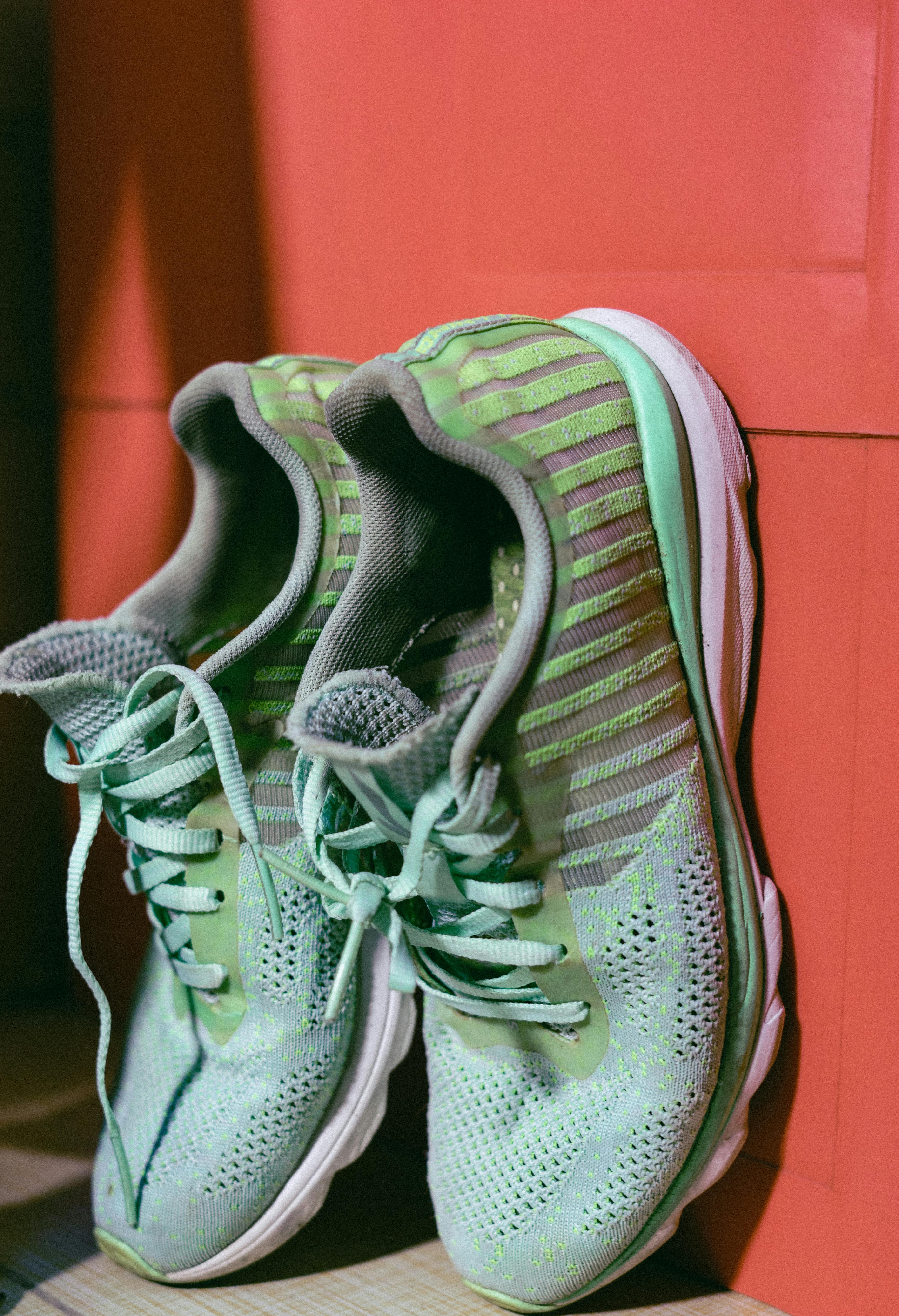
Every running shoe on this list is doing the same basic job: taking the force of your foot hitting the ground and giving as much of it back to you as possible. How well a shoe does that comes down to two things — the midsole foam and, in the fastest shoes, a rigid plate embedded inside it. Modern midsoles are built from PEBA or PEBA-blend foams instead of the denser EVA that dominated the category a decade ago. PEBA compresses under load and springs back far more efficiently, which is why today's trainers feel noticeably bouncier than shoes from even five years ago.
Carbon fiber (or, in cheaper models, stiff nylon) plates sit inside or between layers of that foam and act like a lever, storing energy through the compression phase of your stride and releasing it as you roll forward off your toes. The stiffer and more curved the plate, the more it changes your natural gait — which is why race-day super shoes with aggressive rocker geometry feel so different underfoot than a cushioned daily trainer. Plates help more at faster paces; most runners get little benefit from them on easy recovery days.