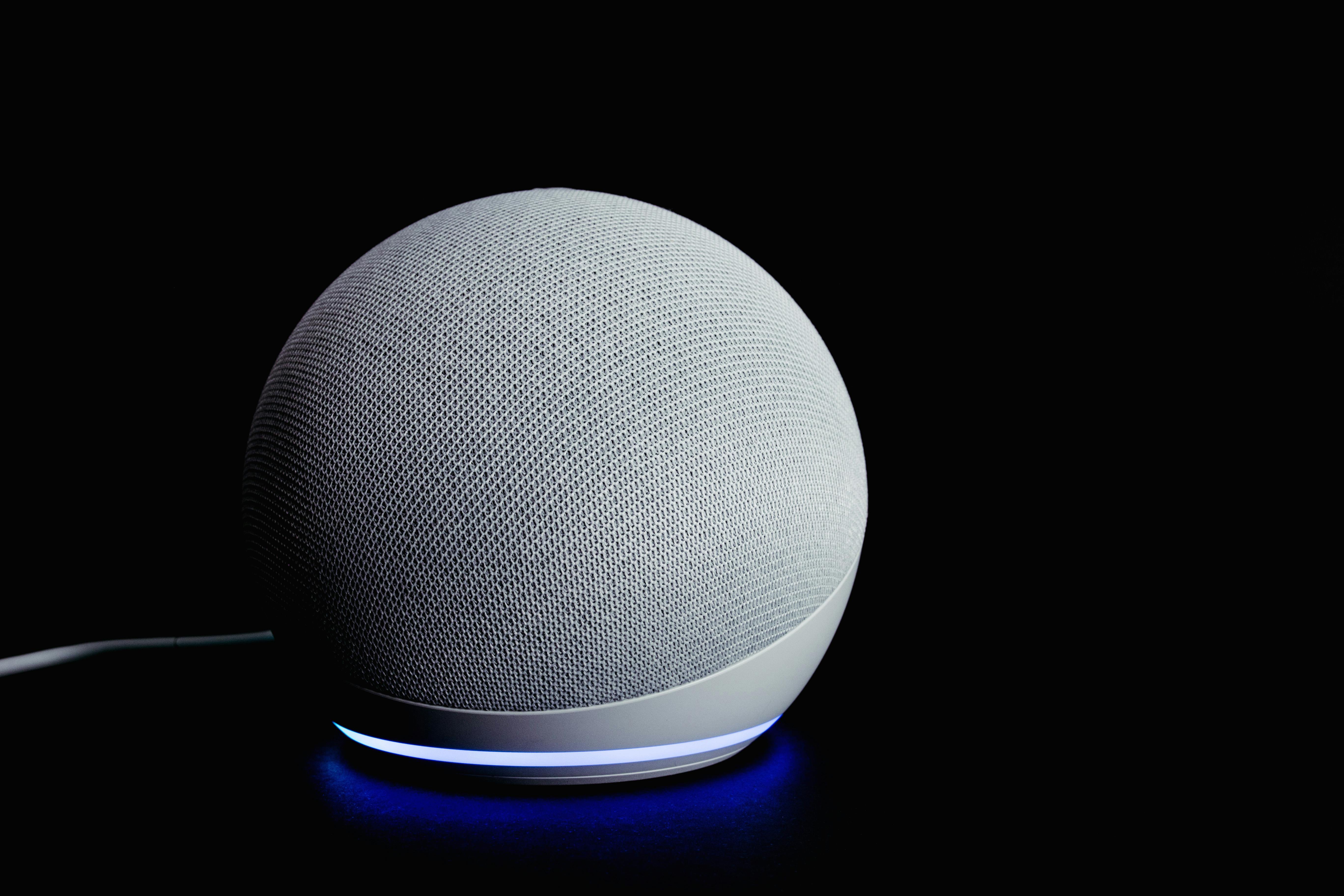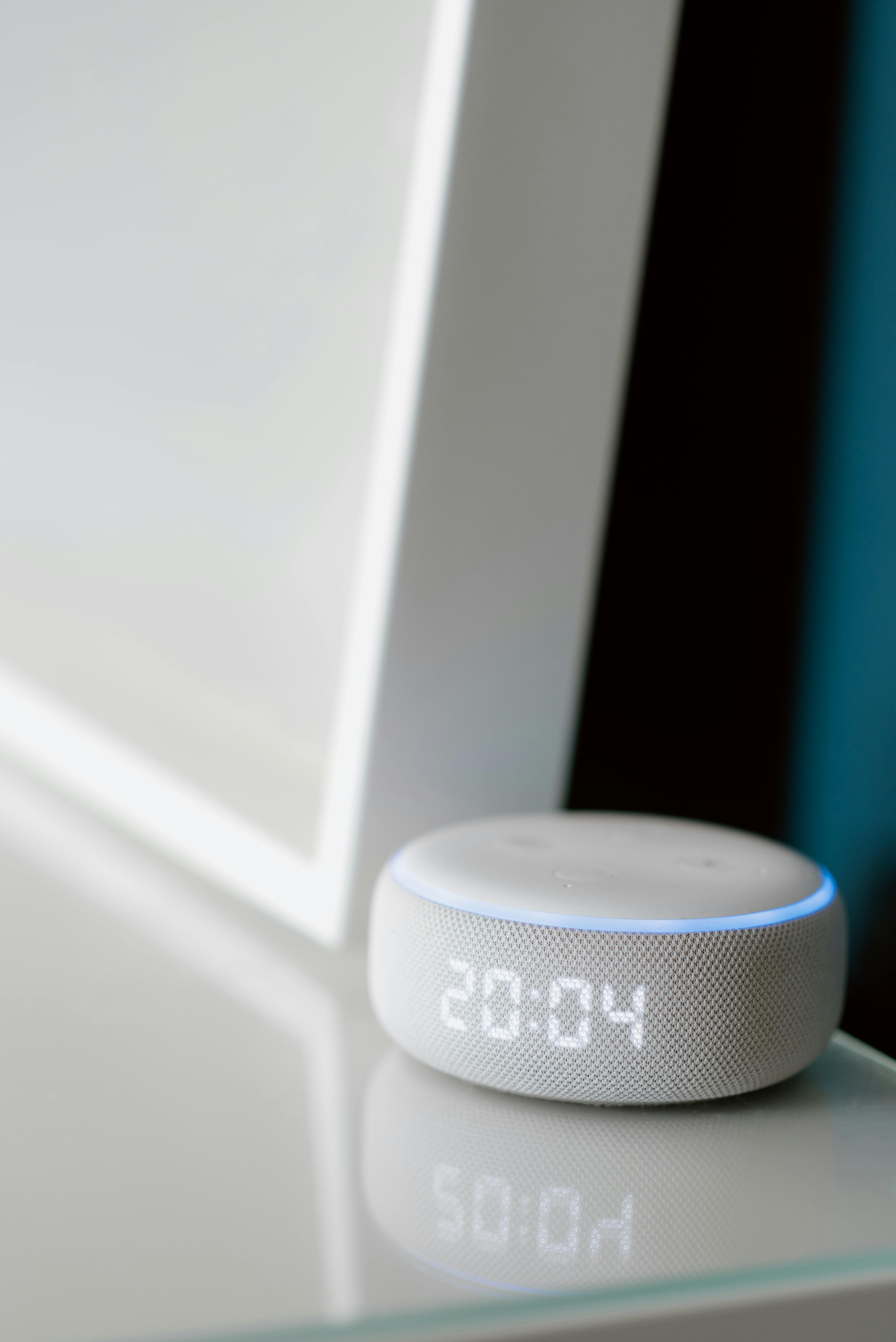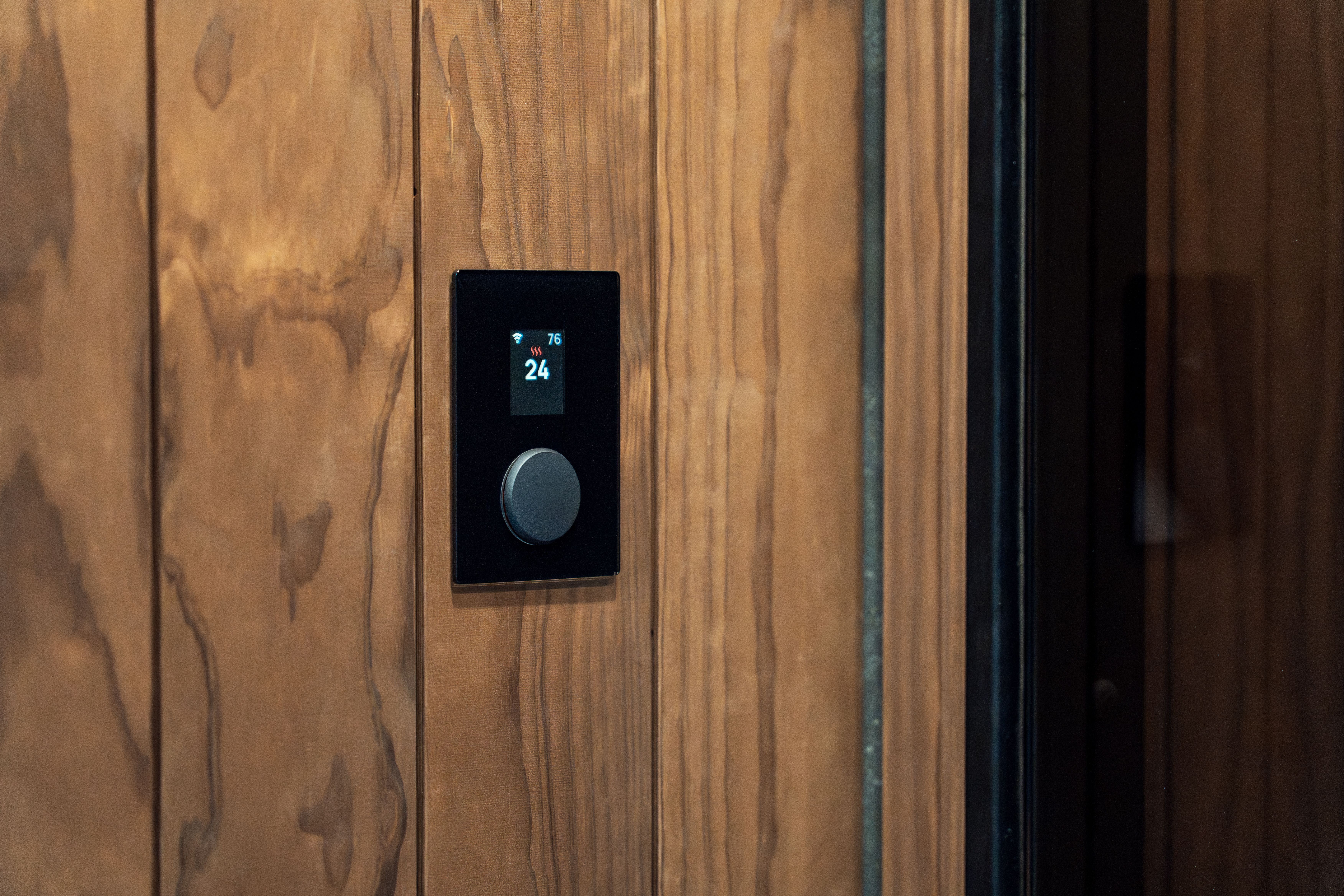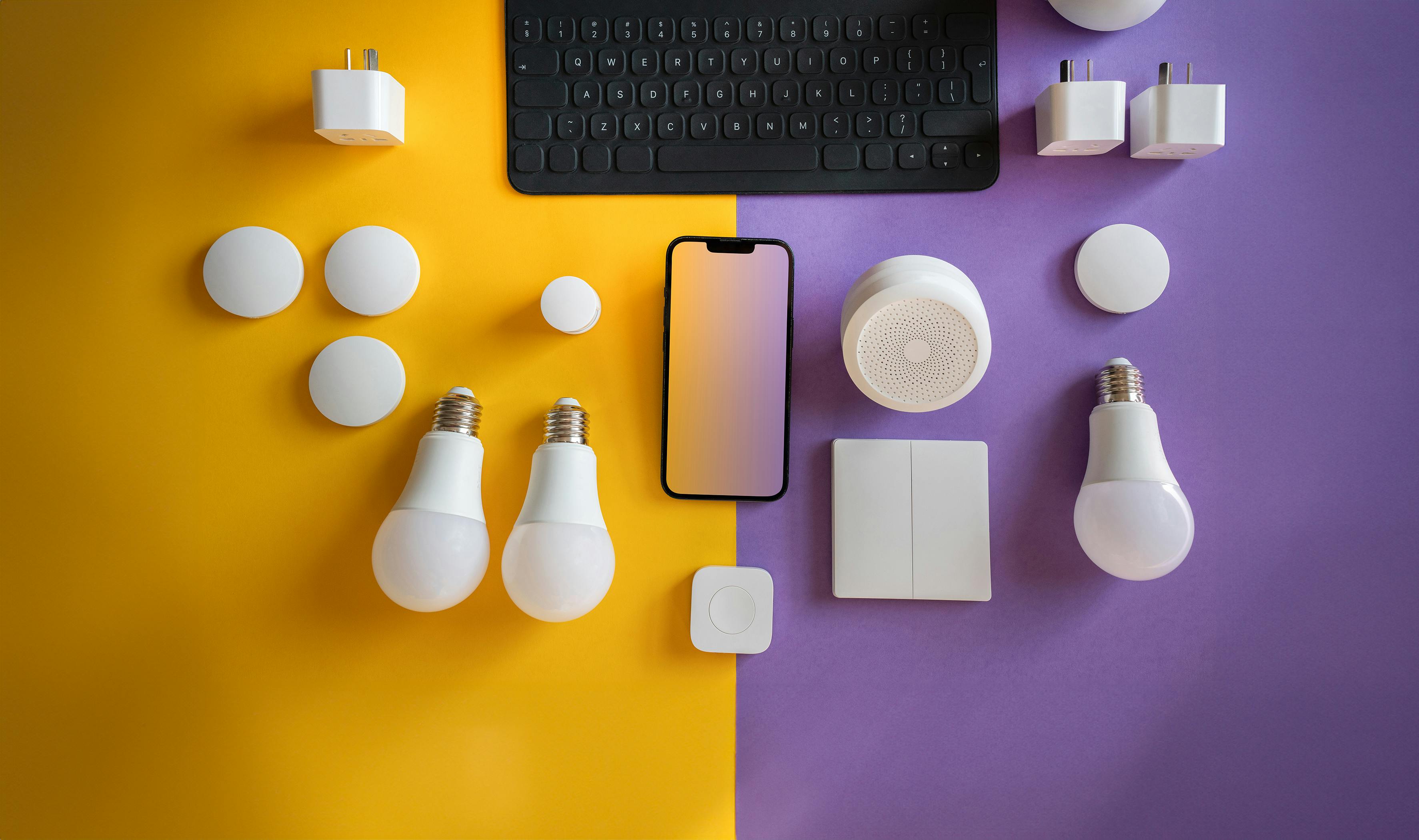
For years, buying a smart home device meant picking a side — Alexa, Google, or Apple — and hoping everything you bought afterward would cooperate. Matter changes that. It's a shared connectivity standard that most major brands now build into their devices, meaning a lock from one company, a bulb from another, and a hub from a third can all live inside the same app and respond to the same voice commands. If you see a Matter badge on the box, it will work with whatever controller you already own.
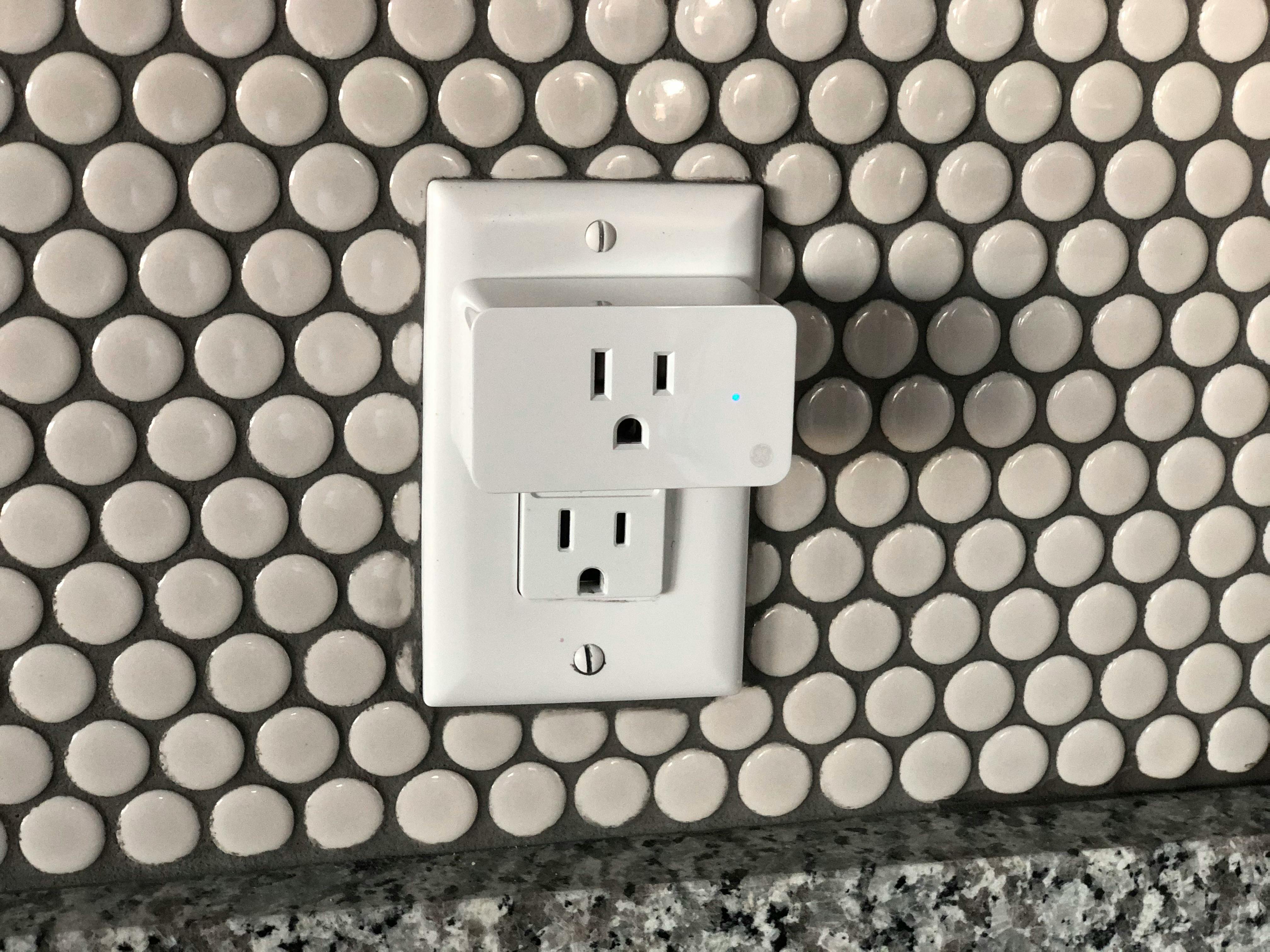
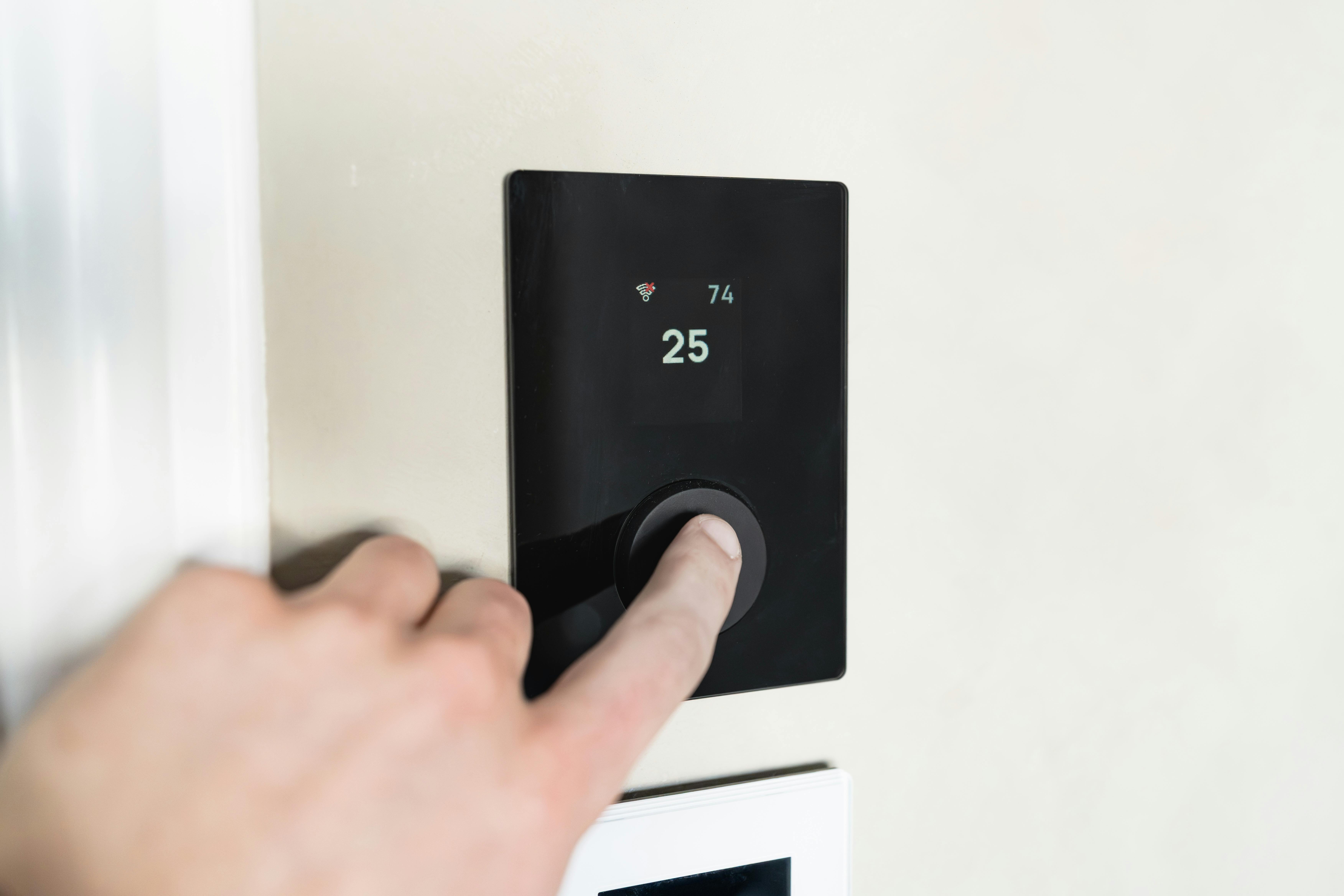
Underneath Matter sits the actual wireless connection, and there are really only three that matter for beginners. Wi-Fi is fine for plugged-in devices like plugs, bulbs, and thermostats that don't need to sip power. Thread is a low-power mesh network built for battery-powered devices like sensors and locks, and it needs at least one "Thread border router" in the house — most modern smart speakers and hubs already do this job automatically. Zigbee and Z-Wave are the older standards; they still work well, but new devices increasingly skip them in favor of Matter over Thread.